

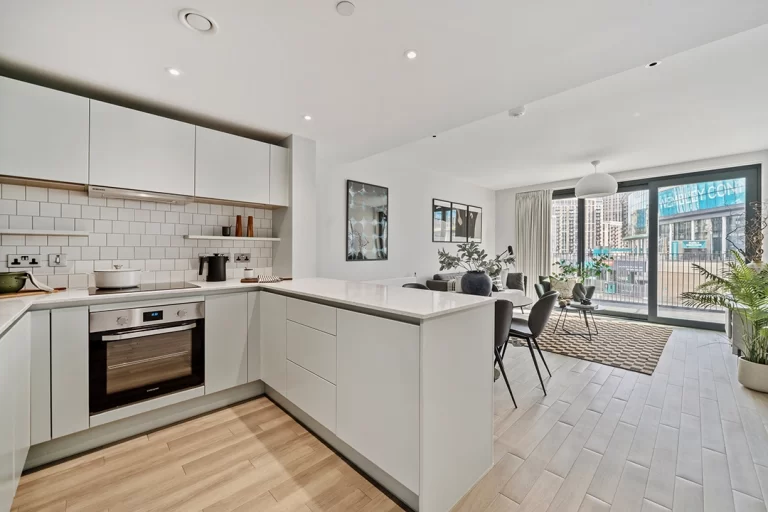
Moving to London is exciting. The city is one of the most attractive places in the world to build a career, study or start a new chapter. But for many, the move feels daunting. London is fast-paced, competitive and often expensive. The good news is that once you understand how the city works, the entire moving process becomes far more manageable.
This guide explains everything you need to know before relocating, from the cost of moving here and how renting in London works to choosing the right area and navigating the city with confidence. If you want a clear, realistic overview of moving to London in 2026, along with practical steps to make it smoother, you’re in the right place.
Start preparing early. Research areas, set a realistic budget, and understand the cost of living. If you’re moving to London for work or study, confirm your job offer or university documents. If you’re moving from overseas, check visa requirements, right-to-rent rules and any insurance or healthcare paperwork you might need on arrival.
Most London rentals are listed 4-8 weeks before they become available, so this is a great time to begin your search. Check property portals regularly and speak to estate agents in your chosen areas to stay up to date with new listings. If you’re not able to travel to London for in-person viewings, ask for virtual tours so you can still check properties carefully. Make sure you have prepared your documents, such as ID, proof of income, employment details and references, so that you can move fast once the right property comes up.
By this stage, you should have secured a property. Once your offer is accepted, you’ll complete referencing and rent affordability checks, pay a holding deposit and sign the tenancy agreement. Start planning the logistics of your move, like booking transport, confirming your move-in date and arranging temporary accommodation if you need it.
Once it’s time to move to London, attend the inventory check, confirm meter readings and test the property essentials like heating, hot water and smoke alarms. Register your utilities, council tax and internet as soon as you receive the keys. Take some time to explore your local area so you understand transport links, shops and amenities.
Your first month in London is all about getting settled into daily life. Register with a GP, open a UK bank account (if you don’t already have one) and familiarise yourself with transport options. Spend time exploring your neighbourhood, meeting new people, and getting comfortable with the pace of the city. If there are any issues with your new home, raise them with your property manager early so they can be resolved quickly.
Before you relocate, there are a few things you should have ready to avoid delays, stress or missed opportunities once you arrive. Preparing these can make your move significantly smoother, especially in London’s fast-moving rental market.
If you’re moving from overseas, make sure your visa allows you to live and rent in the UK. Landlords and agents are legally required to do Right to Rent checks before handing over keys, so you’ll need valid ID and visa documentation ready.
Most landlords require tenants to earn at least 30-33 times the monthly rent annually. You will normally need to provide recent payslips, an employment contract or an accountant’s letter if you’re self-employed to prove your income. If you don’t meet the affordability requirements, you will need a UK-based guarantor.
You’ll usually be asked for photo ID, proof of address, employer references and, if applicable, a previous landlord reference.
Setting a realistic budget is crucial. This should cover both the rent, and additional costs like the deposit, council tax, utility bills and moving costs.
Many landlords prefer rent to be paid from a UK account, although international tenants can often pay initially from overseas. If possible, plan how you’ll open a UK bank account shortly after arrival.

The cost of moving to London varies significantly depending on where you live, how you move, and the type of home you choose. While London is one of the more expensive cities in the UK, careful planning and realistic budgeting can make the move more manageable.
When renting in London, you can expect to pay tenant fees and upfront costs, including:
For example, for a rental property with a rent of £1,800 per month, the upfront costs would typically be around £3,800-£4,000, covering the first month’s rent and a five week security deposit. If a holding deposit was initially paid to secure the property, this would usually be deducted from this total.
Monthly living expenses in London vary significantly depending on where and how you choose to live. But, the monthly costs typically range between:
Whilst London is expensive, choosing outer areas, energy efficient homes or professionally managed buildings can help reduce the costs. Build-to-rent and co-living developments, such as Alameda and The Rex, often offer more predictable monthly expenses, lower energy costs and less surprise maintenance issues.
Renting a property in London follows a structured process, but it can be fast-paced and competitive, especially in popular areas. Most London rentals are offered on Assured Shorthold Tenancies (ASTs), usually with a fixed term of 12 months. This may come with a break clause, allowing either the tenant or landlord to end the agreement early with notice.
Once you find a property and your offer is accepted, your agent will begin the process of referencing and affordability checks. This usually involves verifying your income, employment status, credit history and right to rent in the UK. As a general rule, your annual income should be at least 30-33 times the monthly rent, although some landlords may apply stricter criteria in 2026 due to ongoing cost-of-living pressures.
You will normally pay a holding deposit to reserve the property while referencing is completed. This is capped at one week’s rent and is deducted from your move-in costs if the tenancy goes ahead. After referencing is approved, you’ll sign the tenancy agreement and pay the remaining balance of the deposit and first month’s rent before collecting the keys.

When moving to London, choosing the right place to live is one of the most important decisions you’ll make, because it has a direct impact on your rent, commute and daily lifestyle. London is made up of 32 boroughs, each with different characteristics, advantages and potential drawbacks.
Before starting your search, it can be a good idea to narrow things down to around 3-5 areas. Whilst everyone’s criteria for the best area to live in London will be different, there are a few core factors that will likely shape your search:
There is no single “best area” of London, because everyone’s preferences and priorities are all so different. So, when moving to London, it’s crucial you weigh up exactly what matters most to you and choose an area that will support the lifestyle that you want.
London has one of the most extensive public transport networks in the world, and for most people moving to the city, it becomes part of daily life very quickly. Understanding how the system works will help you choose where to live, manage your budget and get around efficiently.

Can I move to London without a job?
Yes, but it requires careful planning. Many people move to London without a job secured, particularly students, freelancers or those changing careers. In these cases, short-term accommodation such as serviced apartments, Airbnb or short lets could be used while you search for work and a long-term rental. Landlords and agents will assess affordability, so you may need savings, a guarantor or rent paid upfront. Having enough funds to cover your first few months is essential.
How much money do I need to move to London?
This depends on your rent, location and lifestyle. At a minimum, most renters will face upfront costs equivalent to the first month’s rent plus a five-week security deposit, as well as moving expenses and ongoing living costs. For a typical one-bedroom rental, this often means having £4,000-£6,000 available before you move.
How easy is it to move to London?
Moving to London is straightforward on paper, but can be competitive and stressful in practice. The rental market moves quickly, demand is high and preparation matters. If you understand the process, have key documents prepared, and know where you want to live, the process becomes much simpler.
How long does it take to find a place to rent in London?
Most renters secure a property within 2-6 weeks once they start viewing. Properties are usually listed 4-8 weeks before they are available, and good homes can be taken within days. Being flexible on areas or move-in dates can significantly improve your chances.
Is moving to London worth it?
For many people, yes. London offers career opportunities, culture and access to amenities and a lifestyle that few cities can match. It can be expensive, fast-paced and at times stressful. But, if you value opportunity, variety and being at the heart of a thriving city, London can be an incredibly rewarding place to live.
Can I rent in London if I’m moving from overseas?
Yes. Overseas renters can rent in London, but will need to pass right-to-rent checks and referencing. Some landlords may request additional documentation, a UK guarantor or rent paid in advance. Virtual viewings are common and allow you to secure a property before arriving, especially when working with experienced agents.
Moving to London is a big step, but with the right preparation, it doesn’t have to be overwhelming. Whether you’re relocating from elsewhere in the UK or moving from overseas, understanding the process puts you in control. Take the time to plan, budget realistically and choose a home that supports the lifestyle you want to build in London.
If you want expert guidance on renting in London, from build-to-rent developments to modern, professionally managed homes, the Right Now Residential team is here to help you take the next step with confidence.
Get expert help renting in London and finding a home that fits your budget, lifestyle and plans.
+44 (0) 203 002 2650
enquiries@rightnowresidential.co.uk
2nd Floor, 24 Southwark Bridge Rd, London SE1 9HF
to save your favourite homes and more
Log in with emailDon't have an account? Sign up
Enter your email address and we will send you a link to change your password.
to save your favourite homes and more
Sign up with emailAlready have an account? Log in